



Lucía Carballal: “There are emotions that are best experienced together”
Amidst the rush of rehearsals, Lucía Carballal maintains a serenity that contrasts with the intense pace of creation. The author and director presents Ours in the Sala Petita del Teatre Nacional de Catalunya (TNC), from November 21 to December 7, a work where past and future face each other through the mourning of a Sephardic family. A co-production of Centro Dramático Nacional and the TNC, starring Miki Esparbé, Marina Fantini, Mona Martinez, Manuela Paso or Gon Ramoswhich starts from the Jewish tradition ofvelvety -seven days of shared mourning- to reflect on identity, memory and the bonds that, despite the conflicts, always call us back. One question runs through the entire function: what do we do with the family we inherit and the one we project into the future?
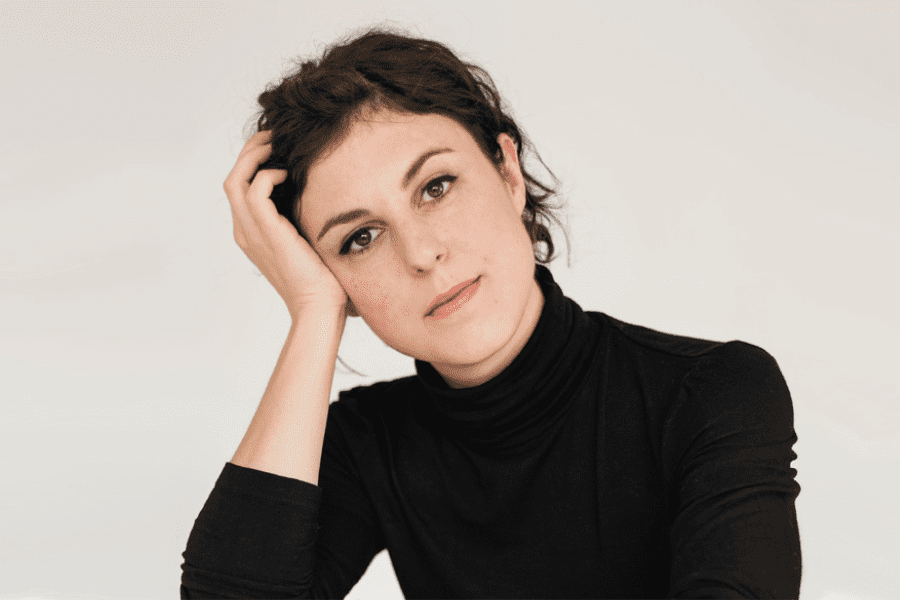
Teatre Barcelona: Why did you create this family?
Lucía Carballal: I really wanted to write a play about a family. As a viewer I have always enjoyed the fictions that revolve around family dynamics; it’s a subject that has always challenged me. I feel like family is almost a genre in itself. I thought it would be difficult to bring something new to it. I also wanted to address it now that I’m in my forties: parents at this age are either gone or getting older, and questions about what it means to have or not to have children come up more strongly. This family tree is drawn into the past and into the future. And this opens up a more panoramic view of life and family.
And why is this family Sephardic?
My wife is Jewish: she comes from a family of Jewish-Moroccan origin in Tangier that returned to Spain in the 1960s. I have always found the history of my step family very attractive. And I think that Spain’s relationship with this Jewish community is little known.
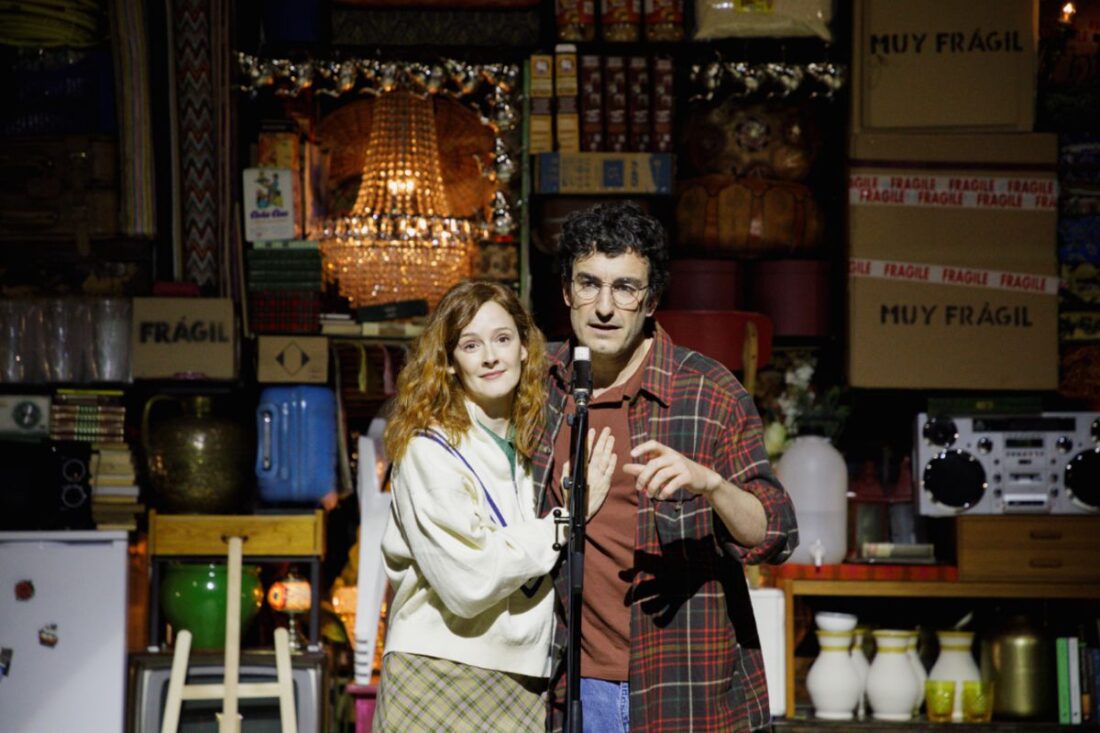
In the piece, this family is grieving. Tell us about this tradition.
yes I am very interested in this tradition of the velvety (Jewish grief), because it implies that there are emotions that are best experienced together, shared with others. We tend to think that the most intimate matters are individual, but in reality we share most of the emotional processes…
And in this case they meet because of the death of the grandmother.
Yes, the matriarch, who represented the last vestige of that life before Tangier. With his death closes a stage that has to do with the origin and identity of the whole family. And that impacts everyone’s lives.
This tradition ofvelvety did it make you think about the current value of rituals?
yes I am very interested invelvety because it implies that there are emotions that are better conveyed together. We tend to think that intimate matters are individual, but in reality we share many emotional processes. Similar things happen to us, and perhaps rituals allow us to move through them collectively. In this sense, I think a velvety and a theatrical act are quite similar.
“I’m interested in thinking about what happens to the bonds that we don’t choose, the ones that are given to us, and how we can keep them alive while we change and grow”
Is it important to lean on “ours”?
The work raises the extent to which the family of origin can continue to be a pillar. I say “family of origin” because sometimes it is not biological or shared DNA. Sometimes we want to move away from the family to evolve. But life always brings you back to the question of how these bonds work and what role they play. It is as if we inevitably have to return to it, even if it is in a conflicting way. It’s not that easy to leave a family behind. I’m interested in thinking about what happens to the bonds we don’t choose, the ones we’re given, and how we can keep them alive as we change and grow.
Do you have answers to all of these?
no [Riu.] But the feature seeks a look into the future. The characters carry the weight of the past but can only be understood if they look forward. In the piece, the character of Pablo – played by Miki Esparbé – arrives at the house with his wife with the idea of having a child. In a framework of mourning and farewell, what is at stake is the possibility of a new life. The changing cycle of a family: one generation disappears and another is coming. I always tell the actors that the play takes place in a limbo where what dies has not yet completely left and what is to be born has not yet arrived. Each character is in trance, sharing this grief.
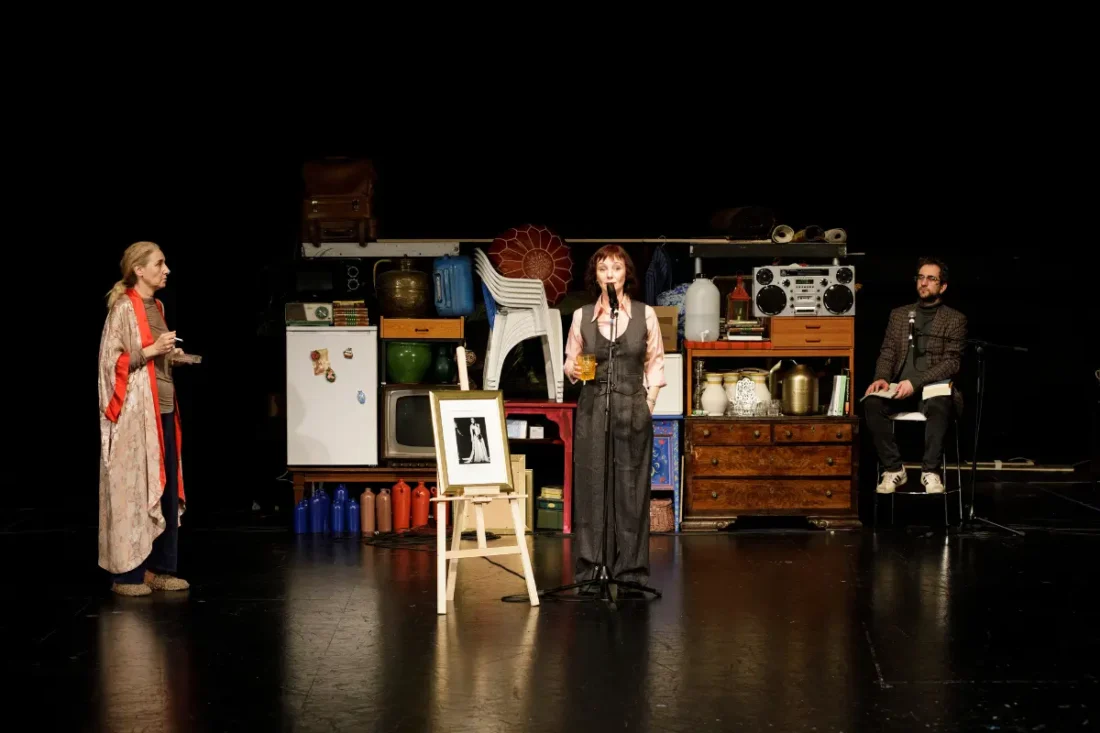
Lucia, who are “yours”?
I would tell you it’s the team I’ve worked with. I don’t have children, but I’ve heard mothers say that between one birth and the next, the whole process is forgotten. The theater is somewhat the same: they are difficult processes, full of uncertainties, and each time you forget how to create them. With this team I feel very supported. And this project is also making me appreciate my family even more. The privilege of having one.
Tell me a sentence from the piece that you like.
“You are not part of a family until you can talk about their dead.”
More information, images and tickets:
Lucía Carballal, is also the author of these shows: