


Phantasm Rape Consort
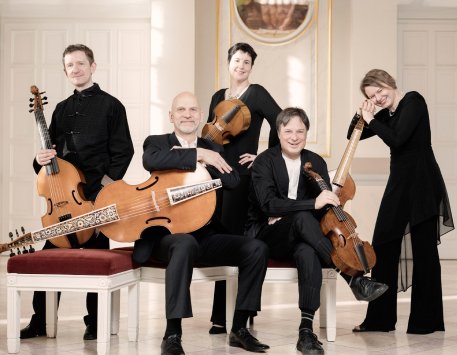
The music that Shakespeare played. England in the 17th century was a land of political, religious, social and cultural turmoil. William Shakespeare premiered his best works between 1600 and 1611, and he would die in 1616 surrounded by an artistic background in which music occupied a privileged place at court, on the street or in the salons of the nobles, and also in the theater. Orlando Gibbons, Thomas Tomkins or William Lawes are some of the names that would set the soundtrack to the life of the British island. Pavanes, gallardes or fantasias (themes with variations) delighted those English people, who would surely applaud the work of the Phantasm Viol Consort for its interpretative rigor and its approach to the spirit of the first quarter of the 17th century. Repertoire Orlando Gibbons: Three Fantasies a6 (MB 35, 36, 33) – (1612) 8′ Thomas Tomkins: Two Fantasies a6 (no. 18, no. 17) (1620) 6′ Thomas Tomkins: Pavan and Galliard a6 (1620) 5′ William Lawes: Consort Set a6 in Bb (Fantazia, Aire, In Nomine) (1635) 9′ Orlando Gibbons: In Nomine a5 (MB 28) 5′ Orlando Gibbons: Three Fantasies a6 (MB 31, 32, 34) (1612) 8′ Orlando Gibbons: Go from my Window (MB40) (1615) 4′ Orlando Gibbons: Pavan and Galliard a6 (MB 41, 42) (1612) 5′ Artistes Phantasm Viol Consort Laurence Dreyfus, conductor and viola de gamba Concert “Phantasm Viol Consort” on L’Auditori’s website. Last update: 27/03/2026
Source link