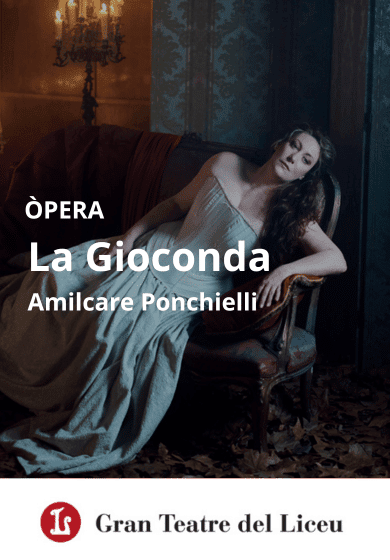




‘La Gioconda’, the great post-Verdian jewel
In the last third of the 19th century, with a Giuseppe Verdi already in full maturity and close to announcing his retirement as an operatic composer, the scapigliatura. Initially, Verdi announced that he was closing in 1871, after the success of the monumental helpalthough he would eventually compose two more operas, apart from the Requiem. The scapigliatura it was a movement led by some composers who wanted to break with the romantic tradition rooted in “Manzonia” (Alessandro Manzoni), while claiming freedom, untidy life and showing a certain anti-bourgeois tendency.
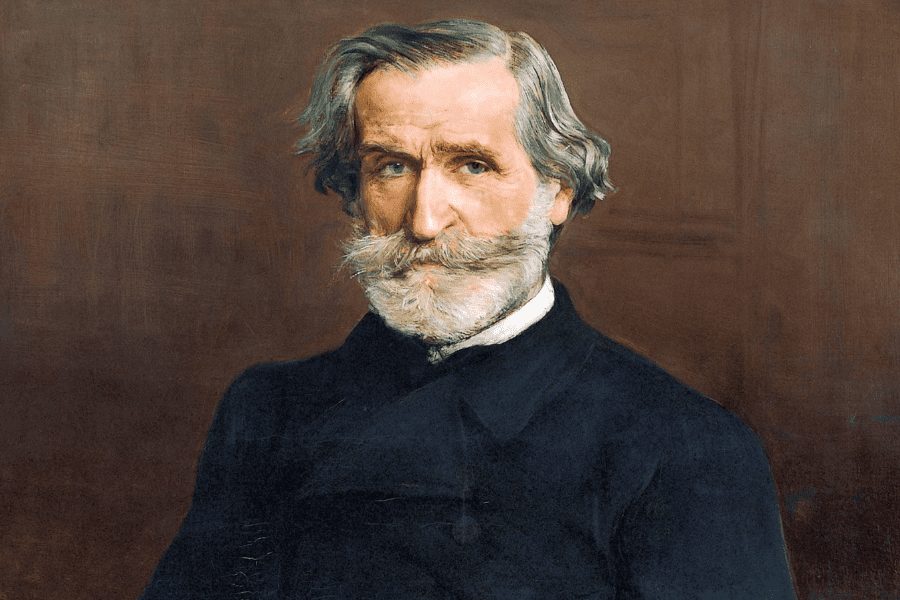
Giuseppe Verdi
In fact, Verdi himself was the object of criticism by these composers, headed by the figure ofArrigo Boito. Over time, however, Boito would collaborate closely with the composer of the traviata to the point of becoming the librettist of Verdi’s last two operas, Othello i Falstaff. In addition to Boito, the other outstanding member of the scapigliatura it was Amilcare Ponchiellicomposer of The Mona Lisa.
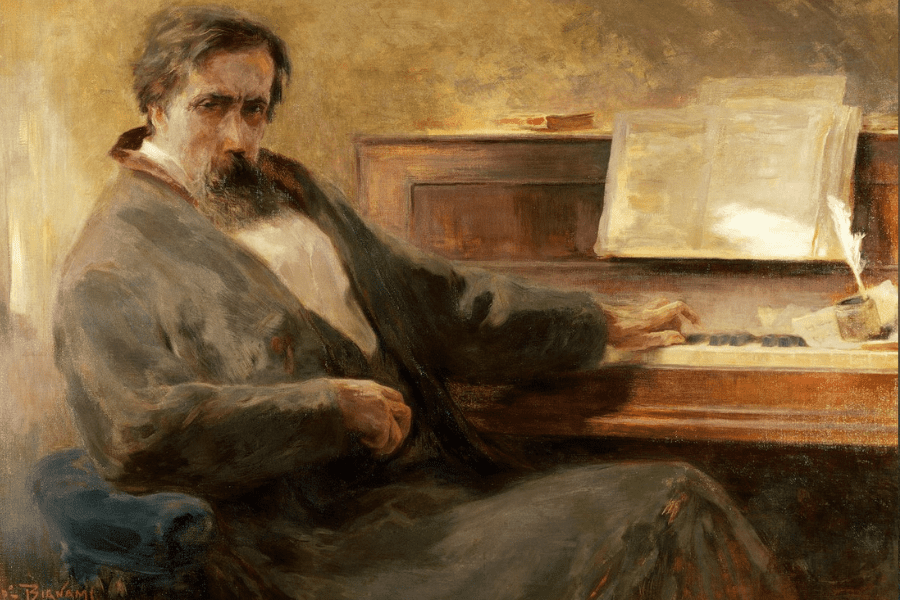
Amilcare Ponchielli
The third member of the group is Alfredo Catalanion which the true membership is discussed scapigliati. Due to a style of his own and the dates on which he premieres his two most prominent operas —Loreley (1890) and, above all, Wally (1892)—, there are not a few who lean towards the incipient verista movement. This movement appears precisely in the last decade of the century, with Rustic cavalryof Pietro Mascagniconsidered the first realist opera and premiered in 1890.
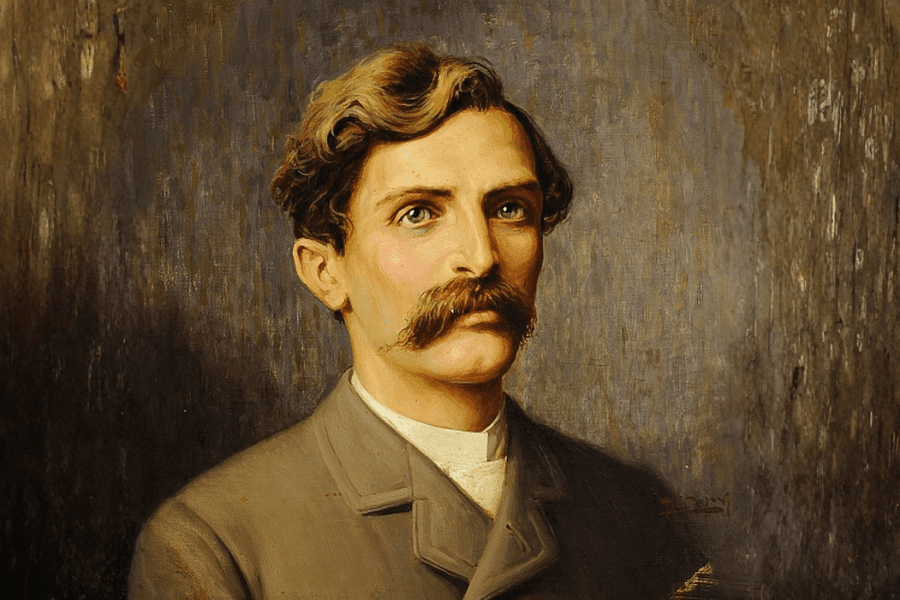
Alfredo Catalani
Ponchielli, despite being a member of the scapigliatiis musically more conservative than Boito, as evidenced by a The Mona Lisa. This is the only opera of his that has remained in the universal opera repertoire, despite the fact that he wrote nine more. The libretto, by the way, was drawn up by Boito himself. The Mona Lisa is a melodramatic work that joins the tradition of the more mature Verdi, that of The force of destiny i Don Carlosthe two previous operas a help.
Now, Ponchielli brings his own characteristics that bring him closer to the future realists, like Mascagni, Ruggero Leoncavallo, Umberto Giordano, Francesco Cilea and above all Giacomo Puccini. Among the main novelties is an increase in the volume of the orchestra and an unadorned singing (canto spianato), which demands a remarkable vocal strength from the soloists. The voices must be i pushthat is to say, “thrust”, to be able to float in the middle of the powerful orchestral sound. A The Mona LisaPonchielli also approaches the so-called grand opera french It is a type of melodrama with large choral scenes and a clear desire to be spectacular. In this sense, the opera incorporates a ballet in the third act, the famous one Dance of the hours.
A real romantic batibull
In terms of the plot, the story is a real romantic mess, with love crossings, villainy and power plays that build the plot. The play takes place in Venice. There we find Gioconda, a traveling singer in love with the Genoese prince Enzo Grimaldo, prince of Santafior. La Gioconda has a blind mother, La Cieca, who is suspected of being a witch. Enzo, however, does not reciprocate this love, since he is in love with Laura Adorno, wife of Alvise Badoero, the great inquisitor of the city. Alvise has in his service Barnaba, a spy who is also in love with Gioconda. When she rejects him and Barnaba discovers the relationship between Enzo and Laura, he begins to plot to destroy them. At the same time, he accuses Gioconda’s mother of witchcraft in order to blackmail and take advantage of the young singer.
A The Mona Lisa we find clear plot influences from previous works like Romeo and Juliet, The troubadour or A masked dance. At the same time, the opera will also exert a later influence, especially on the Tosca of Puccini. In both cases, the person in power offers the freedom of a loved one in exchange for carnal favors, albeit with very different results.
The Mona Lisa reflects the strong Italian romantic tradition, especially the heritage of the green more mature, combined with veristic formal aspects. The orchestration is demanding, but offers well-recognizable melodies. They highlight such well-known arias as Sky and seaone of the most famous of the opera repertoire, as well as Ombre di mia prosapiea, O monument!, Stella the sailor, Voice of a woman or of an angel and the intense final aria Suicide!.
This wide range of voices allows all the strings to shine – tenor, soprano, mezzo-soprano, contralto, baritone and bass – as well as outstanding choral interventions. Among these, they stand out Party and bread! of the first act, the ballet of the Dance of the hours and duets like And anathema!. In short, The Mona Lisa it is a musically splendid opera, with moments of unforgettable dramatic intensity.
A stimulating montage
The production presented by the Gran Teatre del Liceu is a co-production with the Teatre San Carlo in Naples. At the head of the orchestra there is Daniel Orengreat specialist in Verdi and post-Verdi repertoire. The staging is in charge of Romain Gilbertwho had already worked at the Liceu as assistant director of Claus Guth.
As for the cast, the assembly has Saioa Hernandez i Violeta Urmana in the roles of Gioconda and Blind Woman, respectively. The role of Laura Adorno will be interpreted by Ksenia Dudnikova i Varduhi Abrahamyan. In the male cast, Michael Fabiano i Martin Muehle will give life to Enzo Grimaldowhile Gabriele Viviani i Angel Odena they will alternate in the role of Barnabas. the role ofAlvise Badoero belongs to John Relyea i Alexander Köpeczi.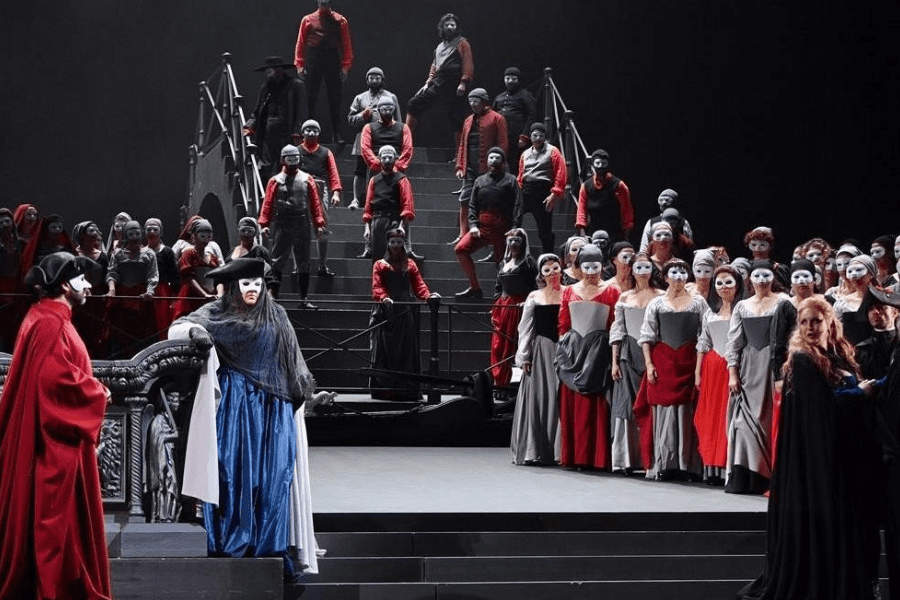
no doubt The Mona Lisa it is an opera of enormous musical appeal which, in this production, has particularly stimulating performers.
More information, images and tickets: