


Display "The old advertising chromos of the MHC collection"
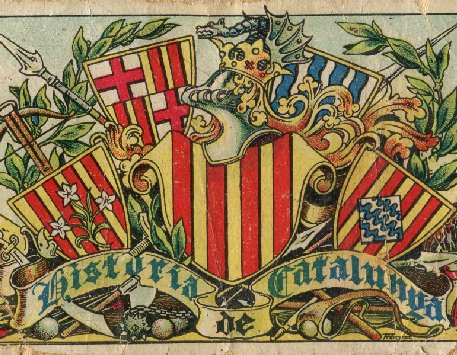
In 2006, the Barcelona collector Jordi Mirabent i Castel gave the Museum of History of Catalonia a valuable collection of postcards, programs of events, bars, auques and chromos published between 1896 and the last decades of 20th Century. This donation offers a detailed view of the history of Catalonia during the last century and reflects the collector’s desire and the generosity of Mirabent to preserve the historical heritage of the country. Among the materials donated are the collections of chromos of historical, industrial, trades, traditional dresses and heritage monuments. The chromos, which were distributed by large Barcelona chocolatiers such as Boix, Amatller, Riucord and Juncosa between 1910 and 1936, were widely distributed among children and adults. These colorful small objects became a source of knowledge and entertainment in an age with few readers and books in Catalan homes. The chromolithography technique allowed the massive production of chromos at an affordable price, thus democratizing access to culture. From 1890, chromos became an advertising claim for various products, especially chocolate, and generated a real “chromos” fever, which lasted until the beginning of the 20th century. This article on the cultural agenda has been updated on October 29, 2024, so in anticipation of possible subsequent modifications, we recommend contrast the information with which it appears published on the website of the History Museum of Catalonia. You can do this following the link: Exhibition “The old advertising chromos of the MHC collection” on the website of the History Museum of Catalonia (MHC)
Source link