



Established in 2008 between the Government of Andorra and the Ramon Llull Institute, and later expanded with institutions from the Eastern Pyrenees, Alghero and the Valencian Country, the Ramon Llull Foundation’s mission is the international promotion of the Catalan language and culture. It ensures compliance with language legislation and promotes projects in collaboration with public and private entities. This Wednesday, in Encamp (Andorra), he presented the Ramon Llull International Awards, intended to recognize people or institutions from outside the linguistic domain who have worked for the international promotion of the Catalan language and culture. The prize winners in this twelfth edition have been the Roser Bru Foundationthe translator Tiziana Cameranithe philologist Maria Khatziemmanuil and the Friulian jurist William Cicilino. The ceremony was presided over by the Head of Government of Andorra, Xavier Spotaccompanied by the Minister of Culture, Youth and Sports of Andorra, Monica Bonell, the Minister for Linguistic Policy of the Generalitat de Catalunya, Francis Xavier Vila; the director of the Ramon Llull Foundation, Teresa Columbus; and the manager of the Ramon Llull Institute, Antonia Andúgar.
During the delivery ceremony, the head of government, Xavier Spothighlighted the moment of extraordinary vitality experienced by the field of Catalan culture. He also recalled that the Government is working so that Andorra “continues to be the stage for the international projection of Catalan, with this common project which is the Ramon Llull Foundation, and so that the language and culture we share with Catalans from the north and south, Valencians, Balearics, Aragonese from the Strip or Algheros, with each and every one, continues to be synonymous with openness, modernity, creative freedom, identity and respect for diversity”.
In his speech, the counselor Francis Xavier Vila he also stressed the importance of the unity of action between the Catalan and Andorran governments: “Both the National Pact for the Catalan Language and the National Action Plan of Andorra are two tools to transform common challenges into concrete and tangible actions. In this context, the exchange of experiences, the construction of transversal networks and the joint planning of initiatives allow the sharing of resources and strategies, and the Ramon Llull International Awards, as well as the Llull Foundation and the Ramon Llull Institute, are an example of the potential offered by this joint work of the entire linguistic community.”
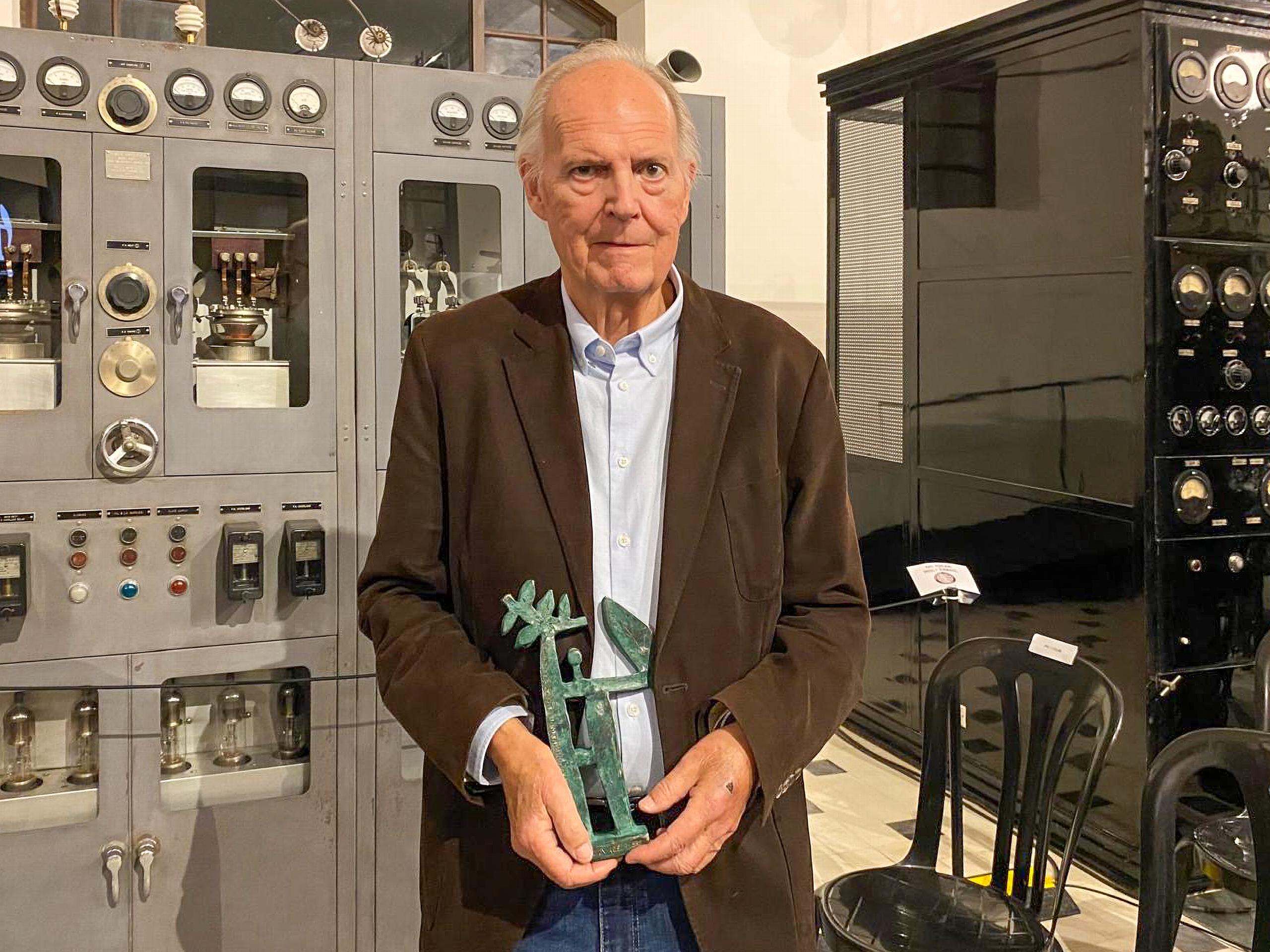 The XIII Ramon Llull Prize for the international promotion of Catalan creation has been awarded to the Roser Bru Foundationin recognition of his work preserving, researching and disseminating the legacy of the Catalan artist Rose Bru and Wolf (Barcelona, 1923 – Santiago de Chile, 2021), one of the most prominent figures in the Chilean visual arts.
The jury has valued his decisive contribution to cataloging and disseminating Bru’s work, promoting initiatives such as the traveling exhibition Rose Bru from North to South in the framework of its centenary or the retrospective Rose Bru overcome the distance at the Girona Art Museum (2024–2025). The artist, exiled to Chile in 1939 aboard the Winnipeg, was awarded more than 30 distinctions throughout her career, including the Premio Nacional de Artes Plásticas de Chile (2015) and the Cross of Sant Jordi (2020).
The foundation created by the artist herself in 2018 holds the largest collection of Bru’s works and archives and promotes projects linked to the visual arts, memory, gender and history.
Miquel Bofill and Abellópersonal friend of the Bru family collected the statuette. On this occasion, the jury for the International Promotion award has been formed Teresa Columbusdirector of the Ramon Llull Foundation, as president; Joan-Marc JovalDirector of Cultural Promotion of the Ministry of Culture, Youth and Sports of the Government of Andorra; Joan Anton Rechistage director; Narcís Puigartistic director of Temporada Alta; Jackie Herbsthead of exhibitions at Es Baluard; i Montse Fauradirector of the Torroella de Montgrí Festival.
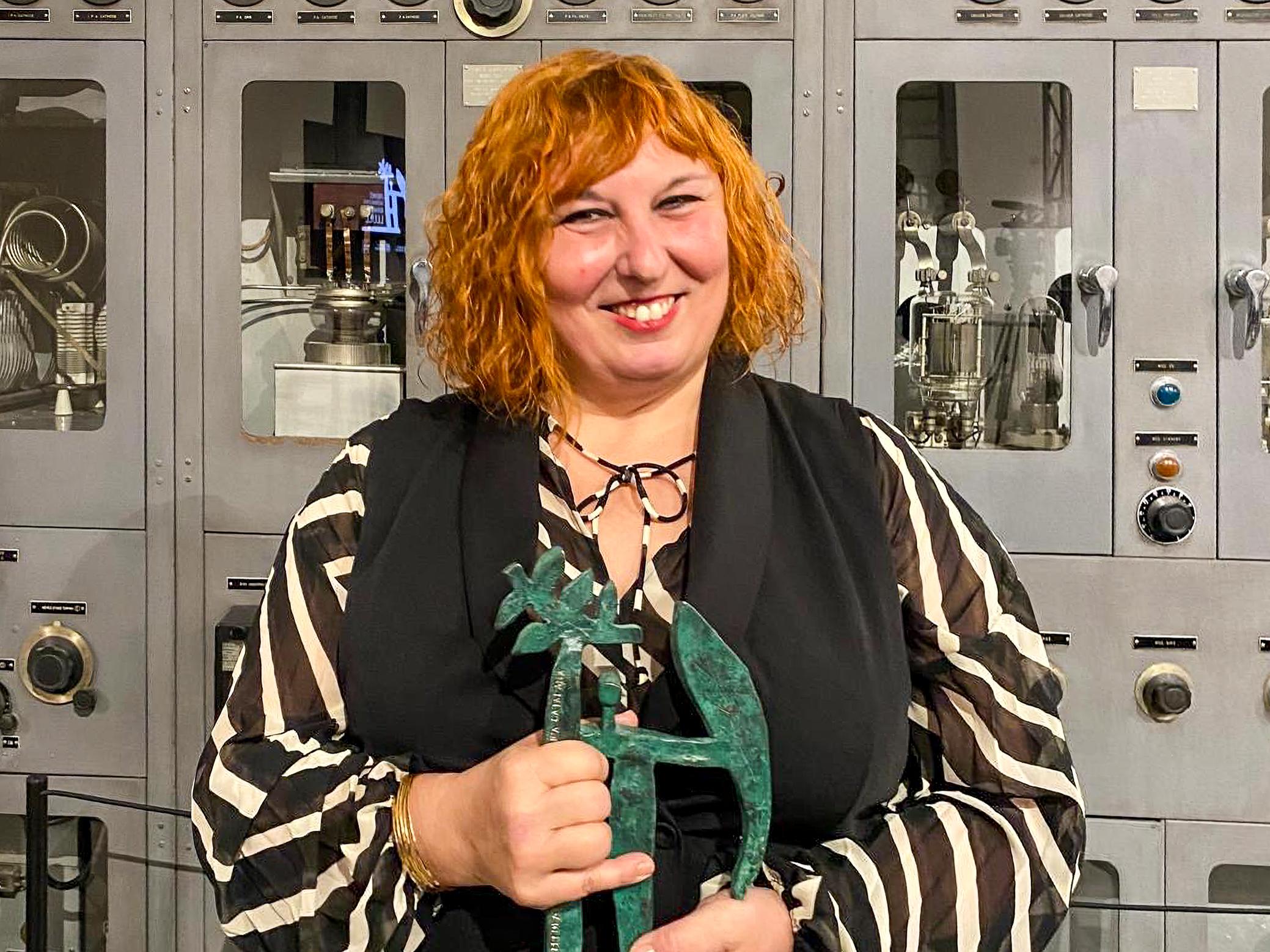 The XIII Ramon Llull Award for Literary Translation has recognized Tiziana Camerani for his Italian translation of dead lands by Núria Bendicho, published by Voland in 2024.
The jury has emphasized his ability to face the complex linguistic challenge of the work, maintaining its tone and the diversity of voices. Camerani has been a freelance translator since 1999 and has specialized in bringing contemporary Catalan literature to Italy, especially emerging female voices. She is also the official Italian translator of the Louvre Museum in Paris.
The prize jury is formed by Teresa Columbusdirector of the Ramon Llull Foundation, as president; Valerie Gaillardjournalist and translator and lecturer at the Autonomous University of Barcelona; Doloros Udinaliterary translator; i Alexandra Grebennikovaliterary translator and teacher.
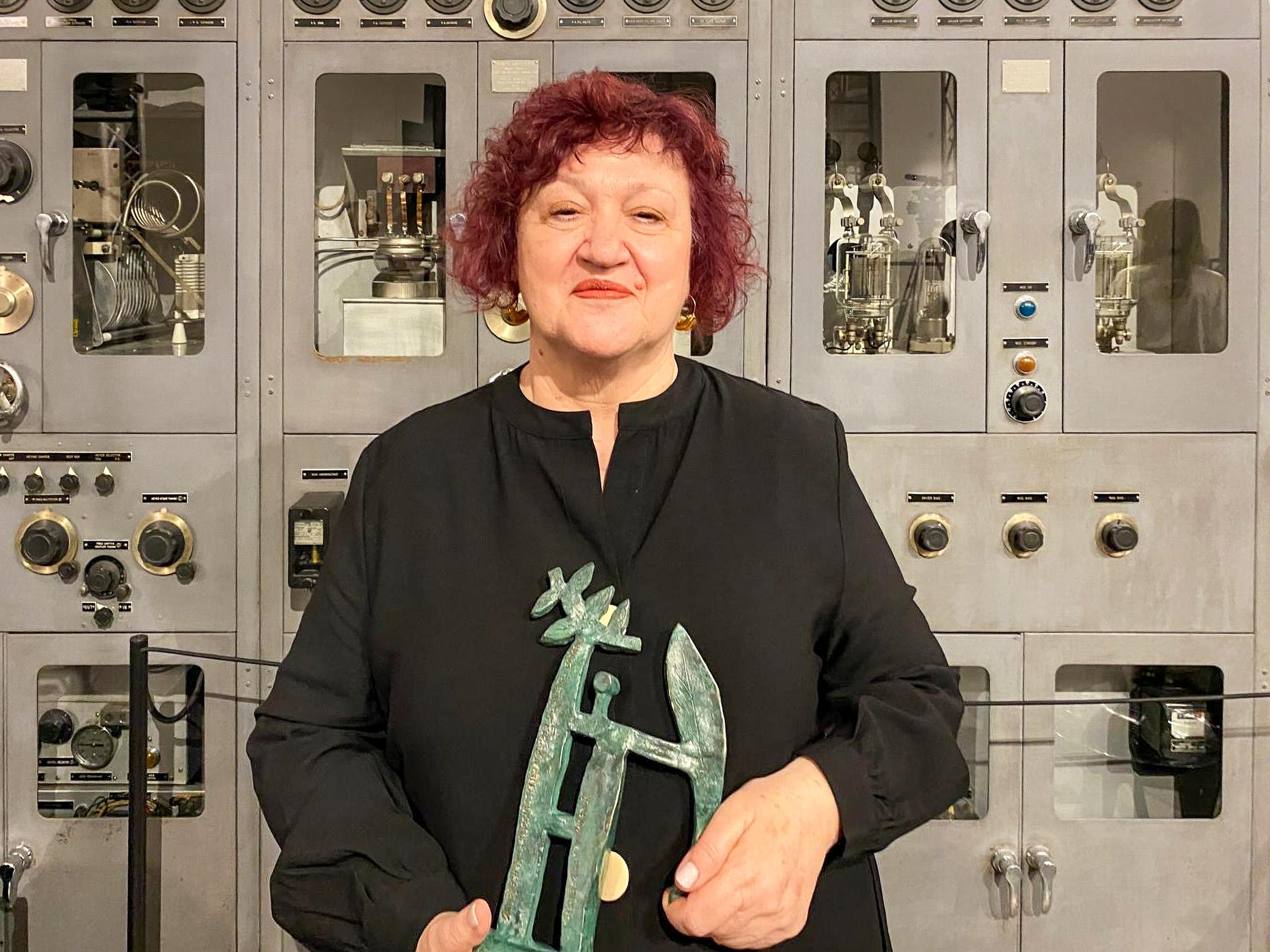 The Ramon Llull Prize for Literary Translation in the Trajectory has distinguished Maria Khatziemmanuilone of the main promoters of the diffusion of Catalan theater in Greece. Philologist and translator, she has translated more than fifty Catalan dramatic works by authors such as Josep Maria Benet and Jornet, Guillem Clua or Sergi Belbel.
Artistic director of the Ibero-American Festival of Dramatized Readings since 2012, she has published more than 145 theatrical translations and has repeatedly been recognized with the EURODRAM Award. In 2023 he received Spain’s Order of Civil Merit and the Without Borders award from the AAT.
The prize jury is formed by Teresa Columbusdirector of the Ramon Llull Foundation, as president; Valerie Gaillardjournalist and translator and lecturer at the Autonomous University of Barcelona; Doloros Udinaliterary translator; i Alexandra Grebennikovaliterary translator and teacher.
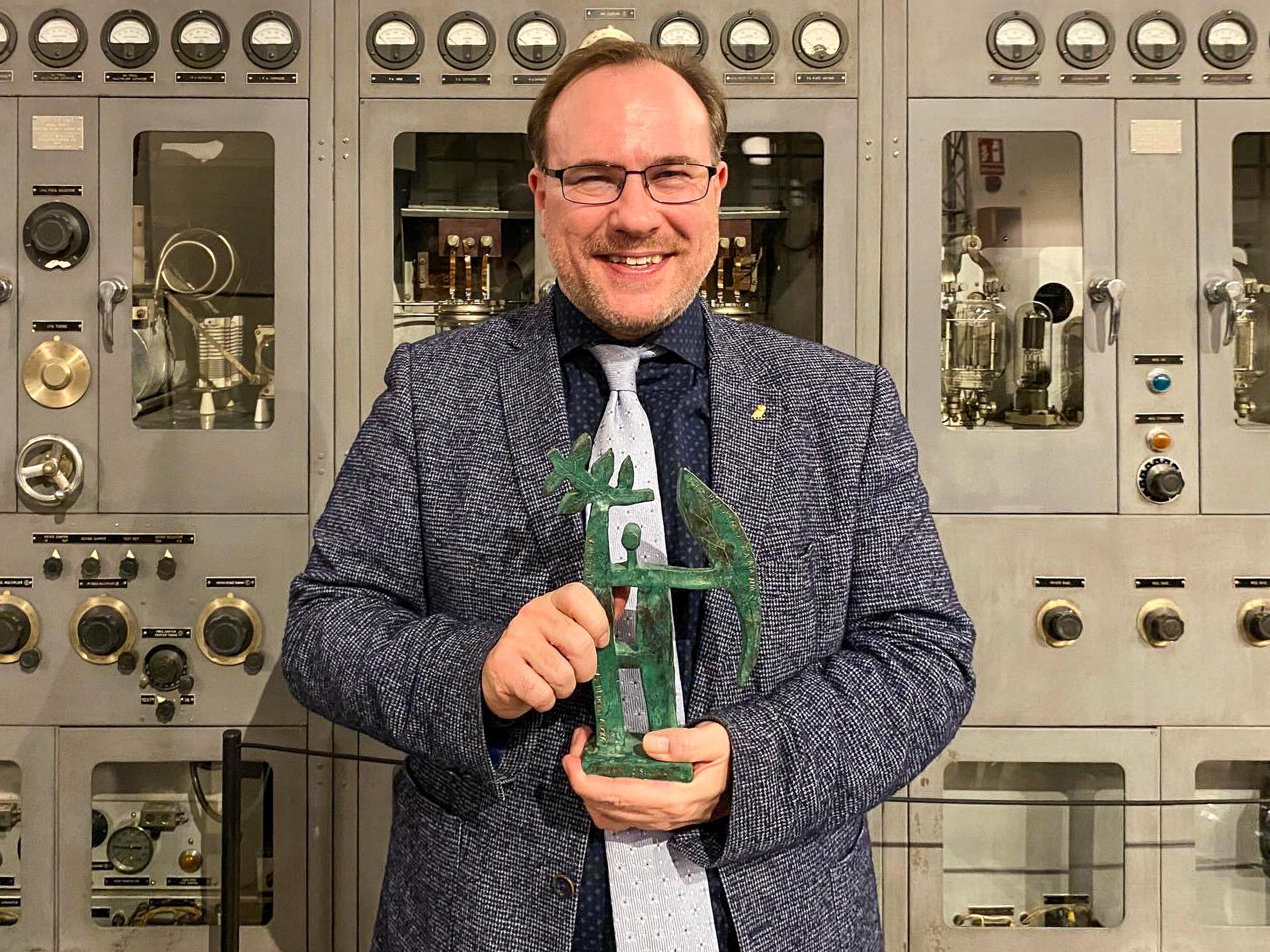 The XXXIV Ramon Llull International Award for Catalanism and Cultural Diversity has been awarded to the Friulian jurist William Cicilinodirector of the Regional Agency for the Friulian Language (ARLeF). Thanks to the work of this agency created in 2006, Friulian has gradually been integrated into schools, the media, public signage and contemporary cultural production, consolidating itself as a model of language management for other minority European languages. Cisilino has held several positions in public institutions dedicated to the protection of the Friulian language and identity, and has maintained a close relationship with projects promoted from Catalan-speaking territories.
This year, the jury recognizes a career that symbolizes the founding spirit of the award: dialogue between cultures, the defense of multilingualism and the active promotion of minority languages.
In this edition, the jury has been formed by Agustí Alcoberropresident of the Catalan Culture Congress Foundation; Teresa Ferrizphilologist and cultural manager; Carlos Duartepoet and linguist and Jaume Subiranawriter and translator, by the Fundació Congrés de Cultura Catalana; i Teresa Columbusdirector of the Ramon Llull Foundation; Jordi Genevaprofessor of Catalan Philology at Rovira i Virgili University; Maria Joseph Cuencaprofessor of Catalan Philology at the University of Valencia and member of the Philological Section of the IEC and Joan Sansdirector of the Department of Linguistic Policy of the Government of Andorra, by the Ramon Llull Foundation.